
“Hack away at the unessential.”
— Bruce Lee
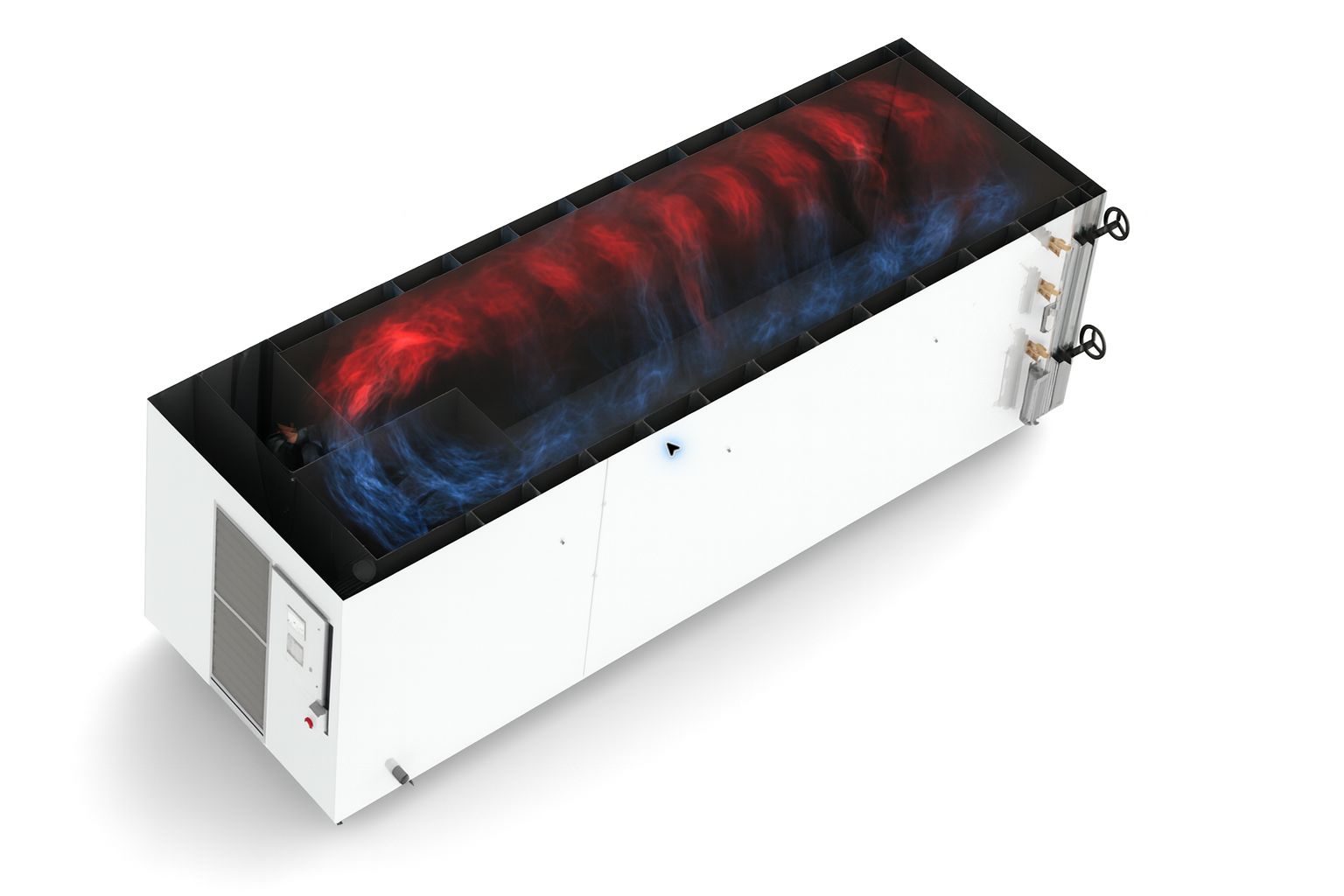
Control the invisible.
Precision thermal processing
Engineered around your process.
Drying and thermal processing
Drying is the foundation. Control is the advantage.
iDRY designs controlled environments that dry, heat, cool, and condition materials—combining temperature, airflow, pressure, and time around the needs of the product.
A wider process envelope
−30°F to 250°F.
Precisely managed cooling, heating, airflow, and pressure—configured for the material and the result your process requires.
Built for difficult materials
One control philosophy. Many applications.
Patented + patent-pending process controlBuilt on issued drying-control patents and continued R&D, our first-principles approach sizes heat, refrigeration, airflow, and vacuum around the material and load—creating a balanced system with precise control, without overpowering the process.
01Wood & timber
Move green lumber toward a sale-ready moisture target in days or weeks instead of waiting through months of air drying. Vacuum, gentle heat, and reversible airflow remove moisture evenly while helping preserve color, grain, and structure.
- Slabs, dimensional lumber, and reclaimed material
- Reduced checking, case-hardening, and uneven drying
- Automated temperature and moisture management
02Aerospace
Remove internal moisture and volatiles from complex components before bonding, coating, assembly, or packaging. Vacuum enables lower-temperature processing that protects heat-sensitive materials while supporting repeatable results.
- Honeycomb structures and bonded assemblies
- Cable harnesses, insulation, ceramics, and polymers
- Process data for quality assurance and traceability
03Carbon fiber & polymers
Residual moisture and volatiles left after layup, infusion, or curing can contribute to outgassing, voids, poor bond lines, and dimensional instability. Low-temperature vacuum drying and reversible airflow provide uniform treatment without over-curing sensitive resins.
- Tubes, panels, honeycomb cores, and molded parts
- Thermoset, thermoplastic, glass, and hybrid composites
- Post-cure drying, surface preparation, and pre-bond conditioning
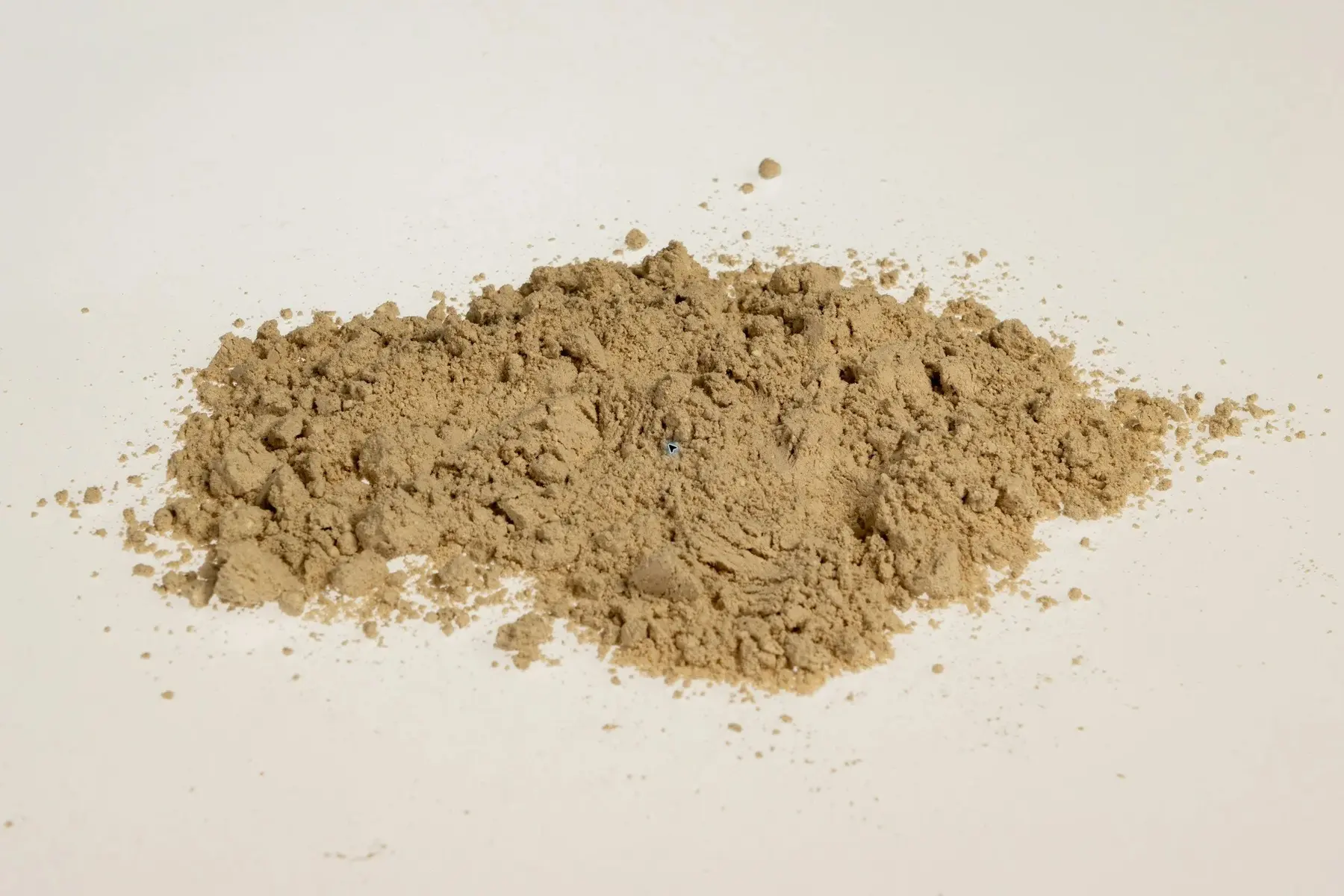
04Ceramics & powder metals
Carefully remove moisture and volatile binders from fragile green bodies, powders, and porous structures before sintering, machining, or assembly. Low temperatures and even airflow help limit cracking, distortion, and internal stress.
- Ceramic cores and investment-casting molds
- Technical ceramics and specialty alloy powders
- Binder-jet, MIM, CIM, and additive-manufactured parts
05Food products
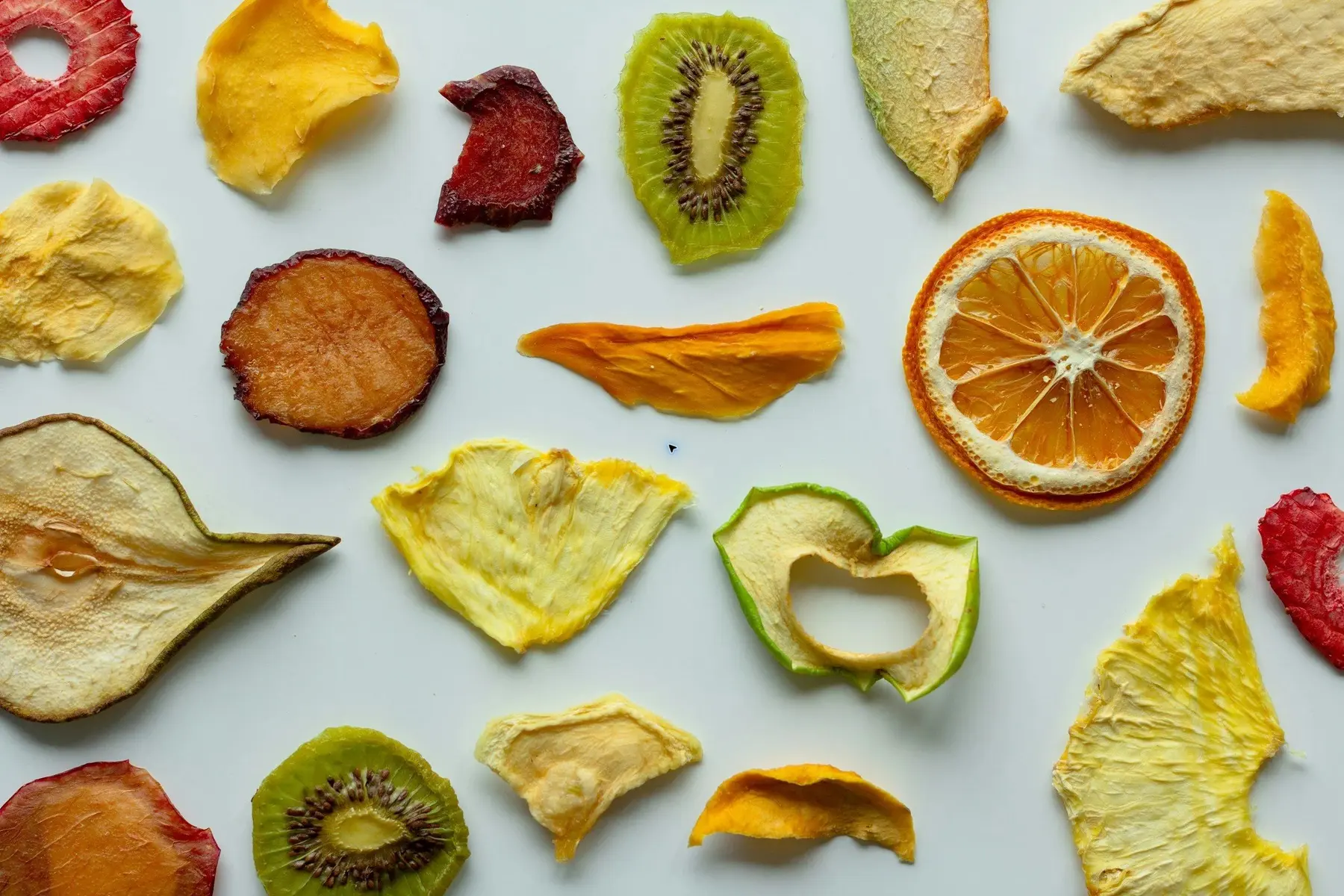
Vacuum lowers the temperature required to remove water, allowing dense or delicate ingredients to dry gently and uniformly. Precise airflow and heat management help retain color, flavor, aroma, nutrients, and structure.
- Fruits, vegetables, herbs, proteins, and ingredients
- Powders, snacks, extracts, and nutraceuticals
- Controlled moisture and water-activity targets
06Electric aviation & eVTOL
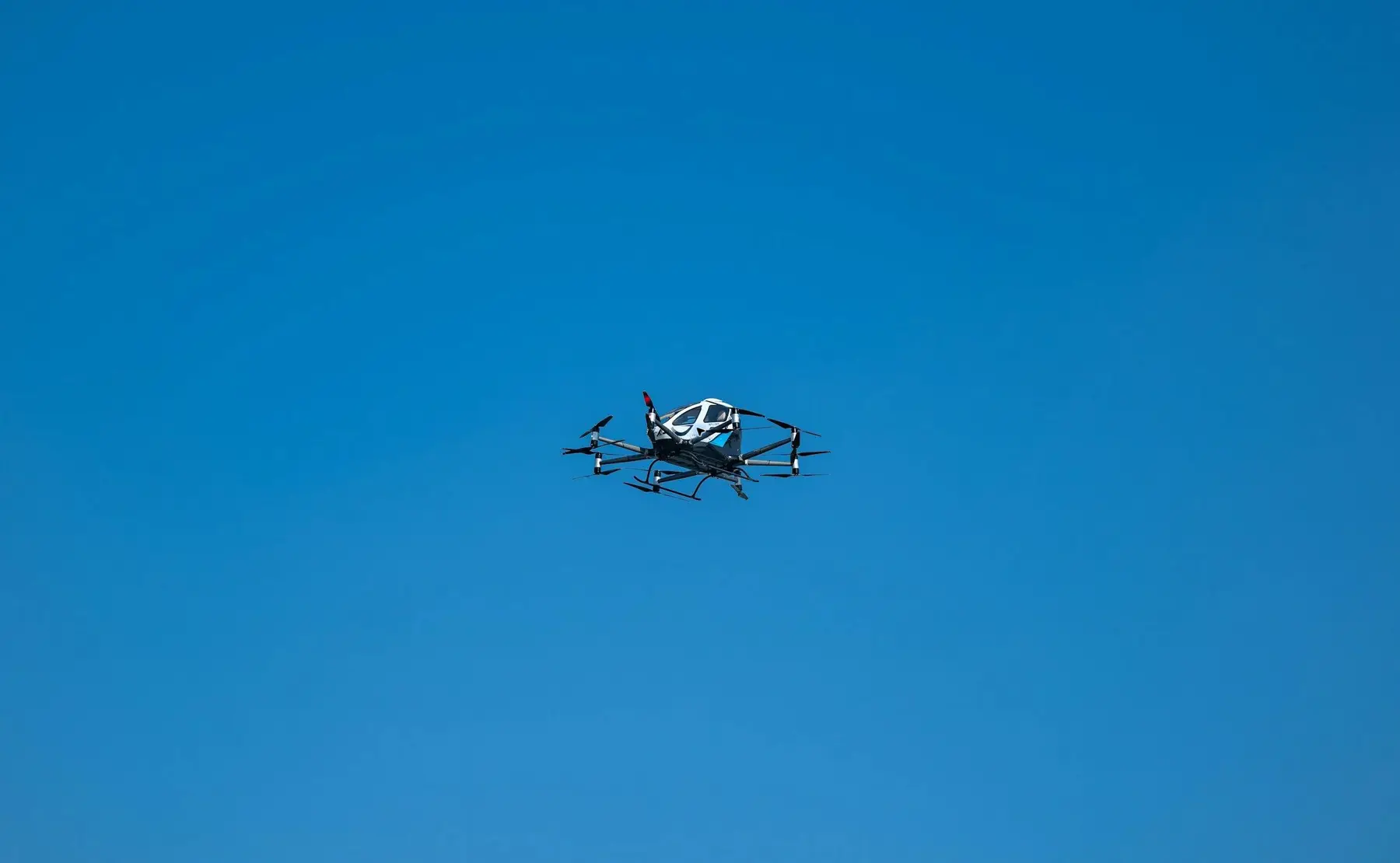
Prepare lightweight composite, electrical, and insulation components for flight-critical use. Controlled vacuum and low-temperature processing remove moisture and volatiles without damaging fibers, resins, adhesives, or complex geometries.
- Rotor blades, airframe panels, and structural skins
- Battery enclosures, foams, and insulation systems
- Pre-bond, post-cure, and outgassing preparation


The iDRY system family
The right system for the process.
From compact heated-air dryers and vacuum kilns to large custom thermal chambers and refrigerated systems, iDRY configures the equipment around the material, load, and result you need.
From-scratch manufacturing
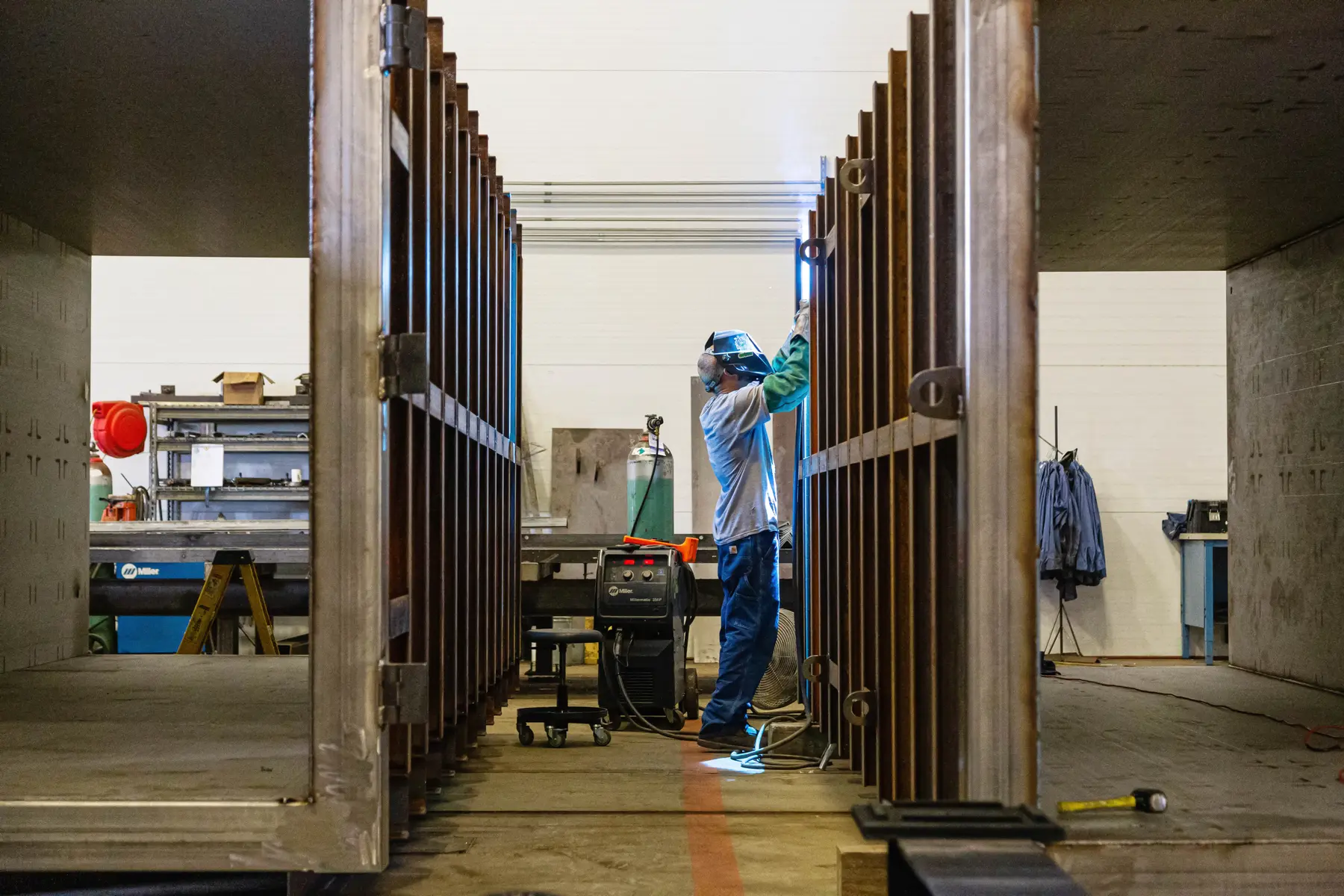
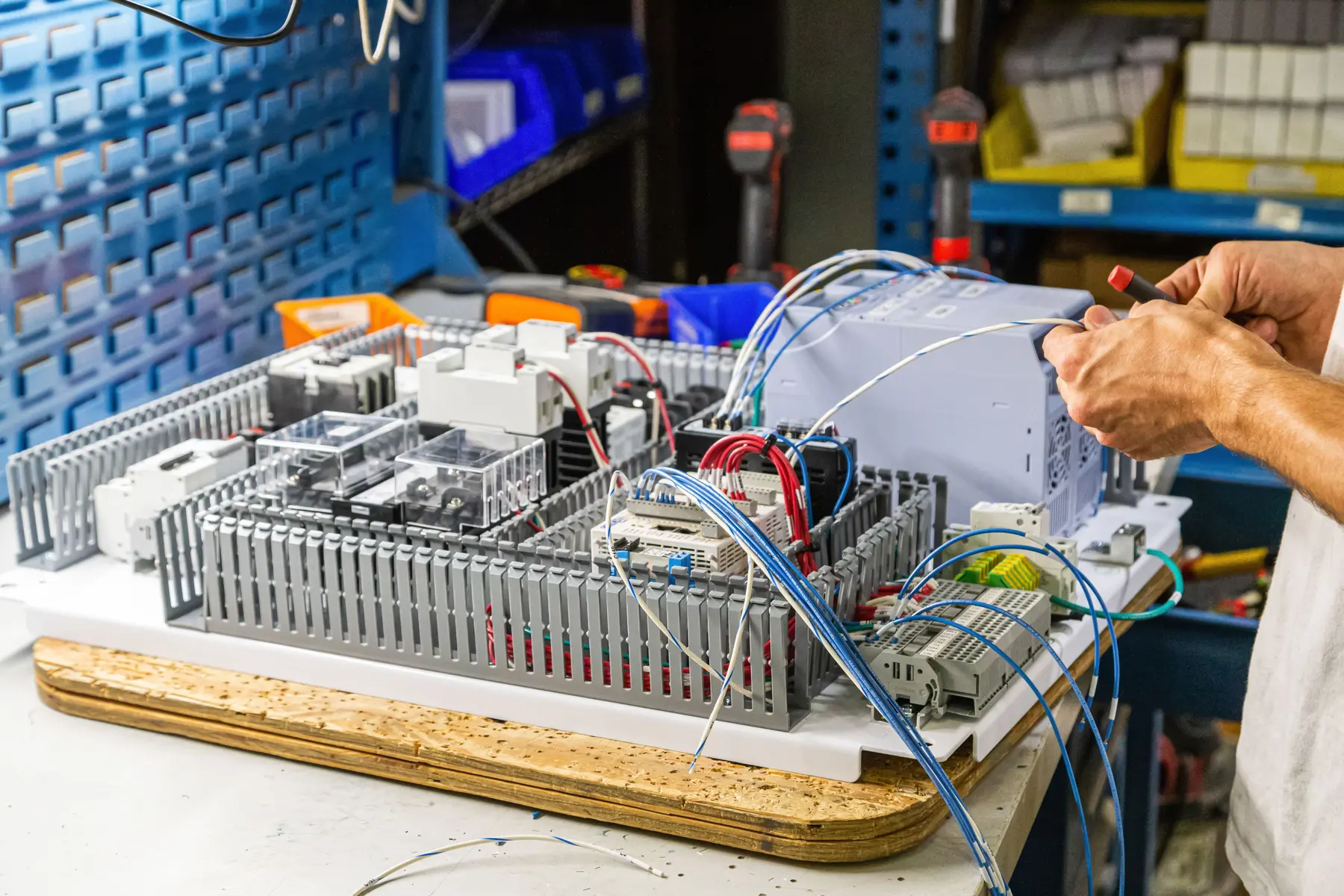
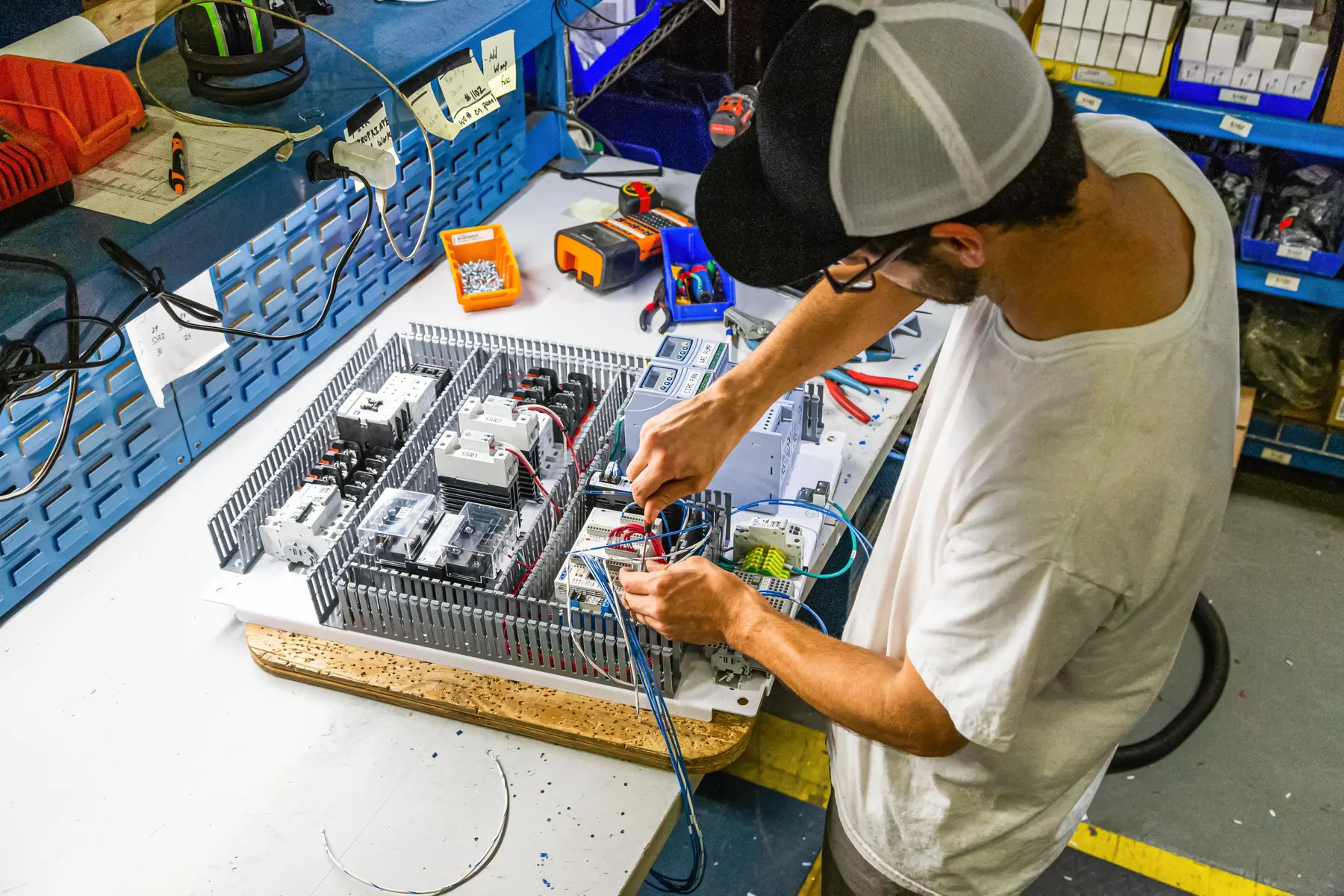
Designed. Cut. Welded. Wired. Built here.
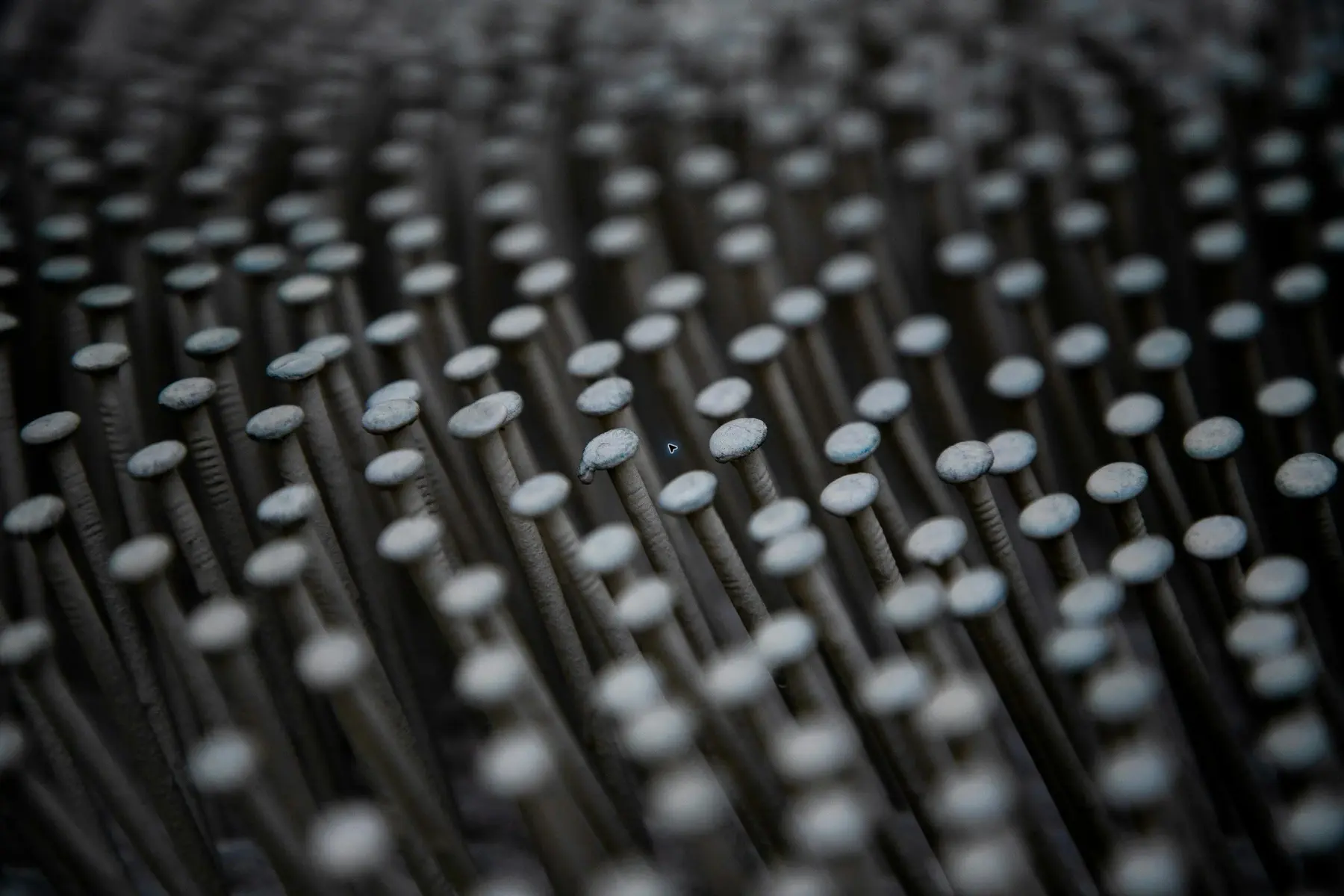
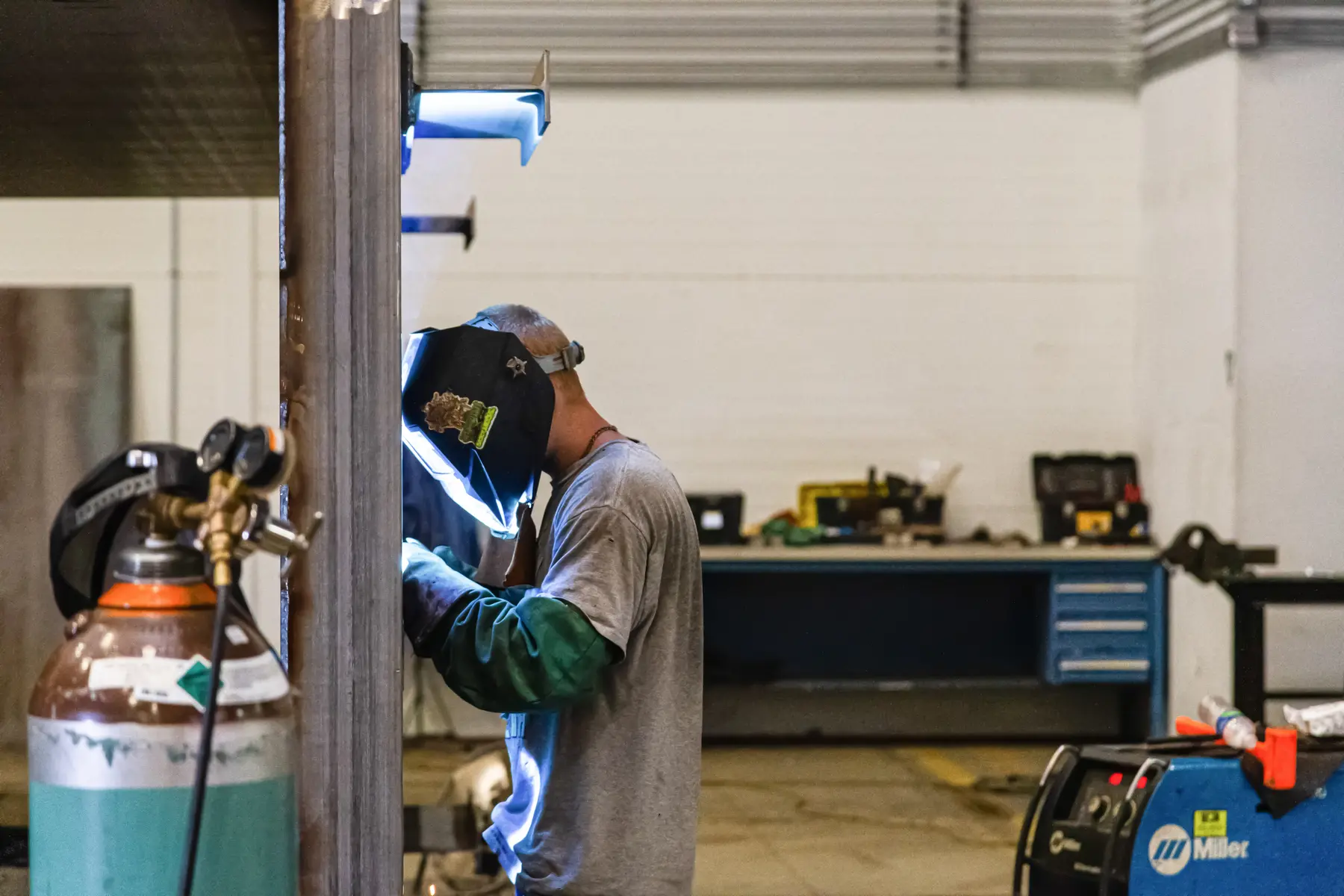
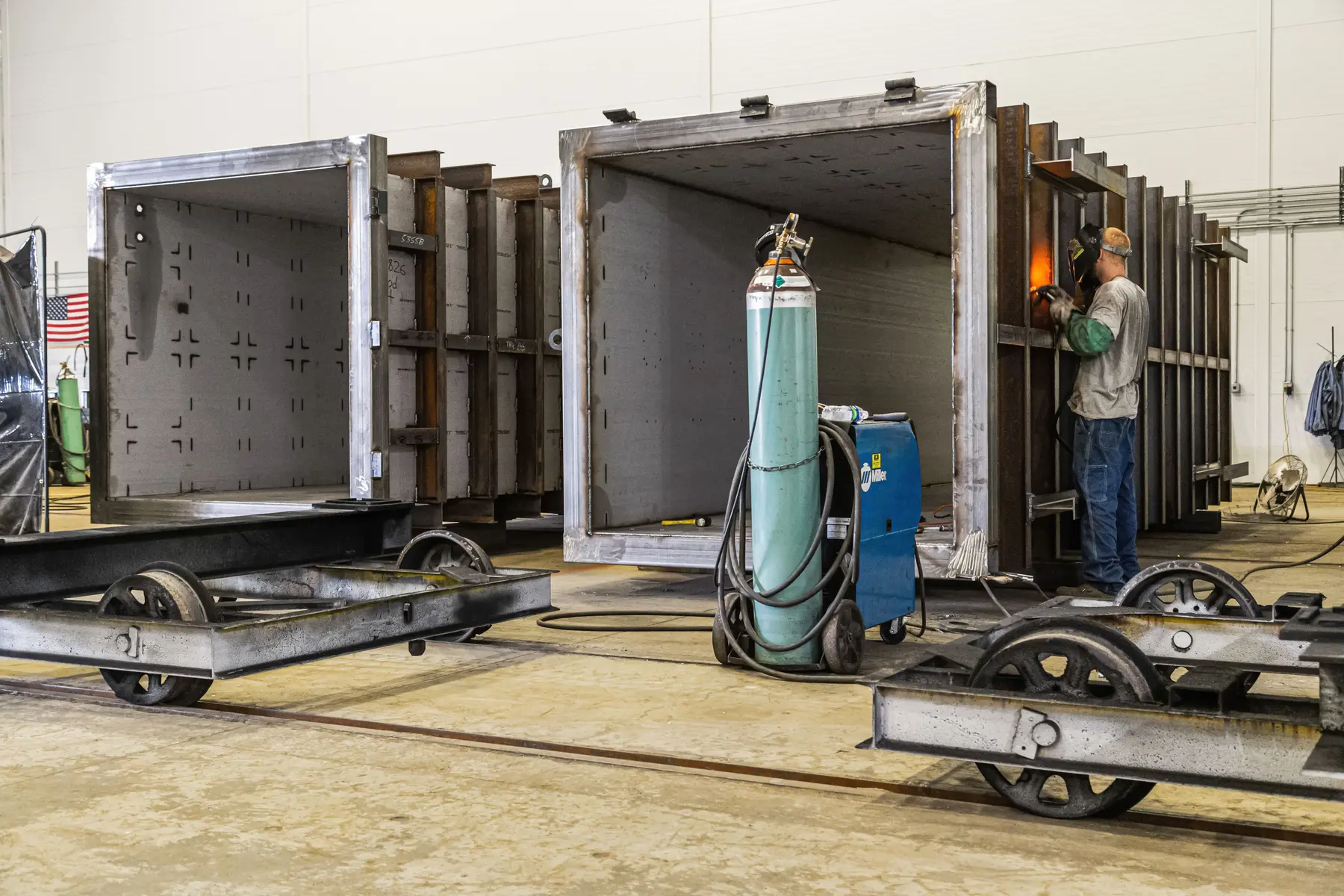
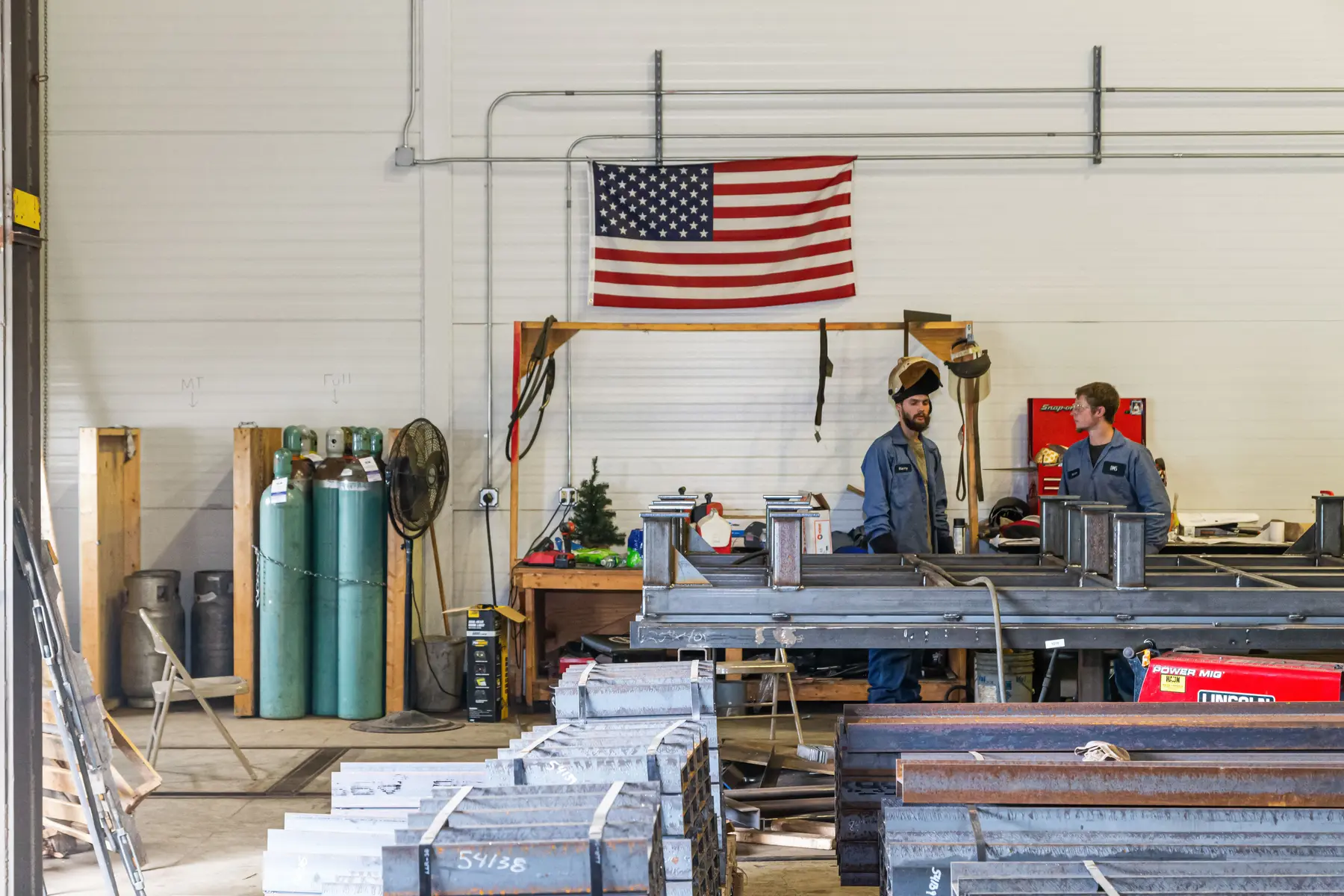
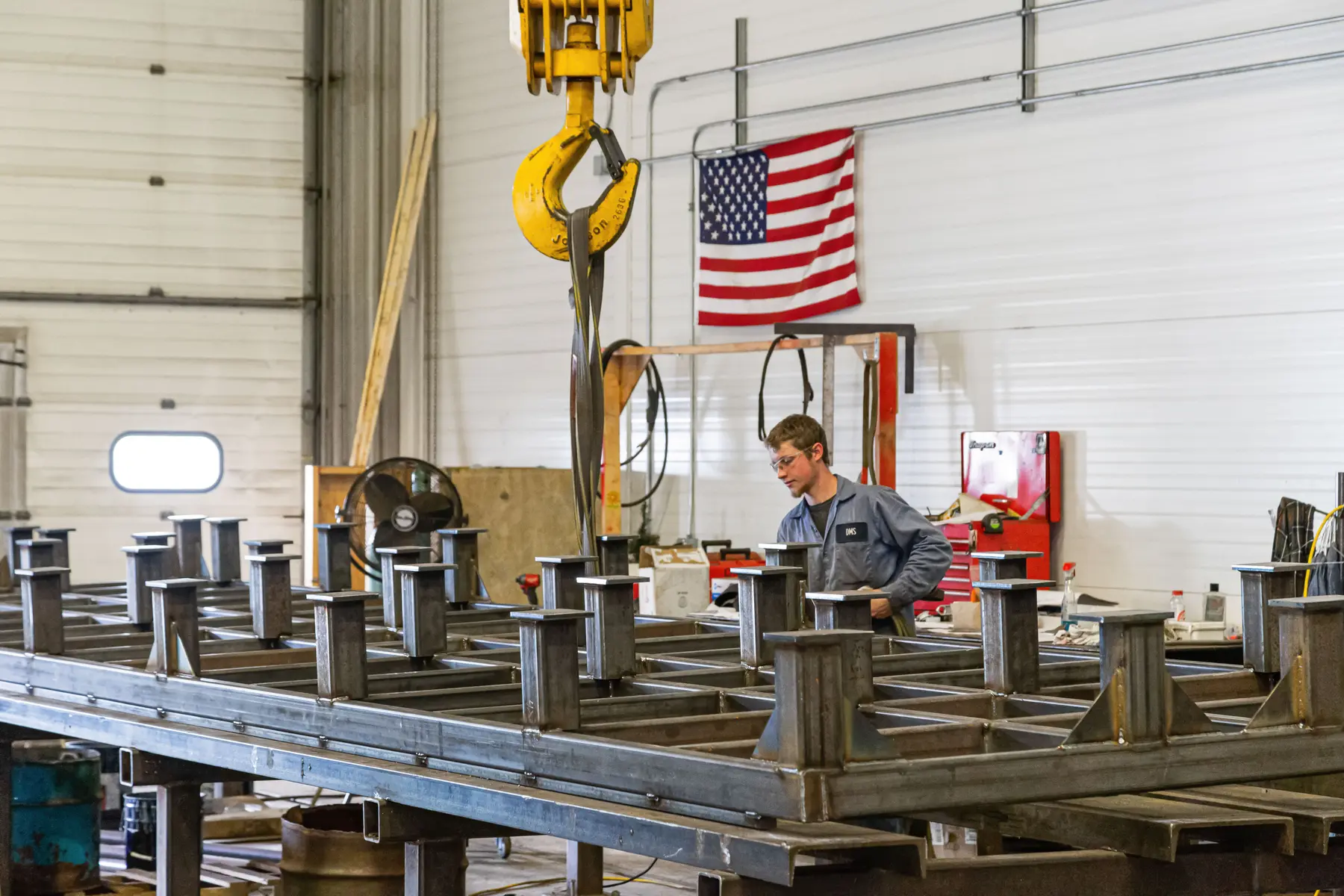
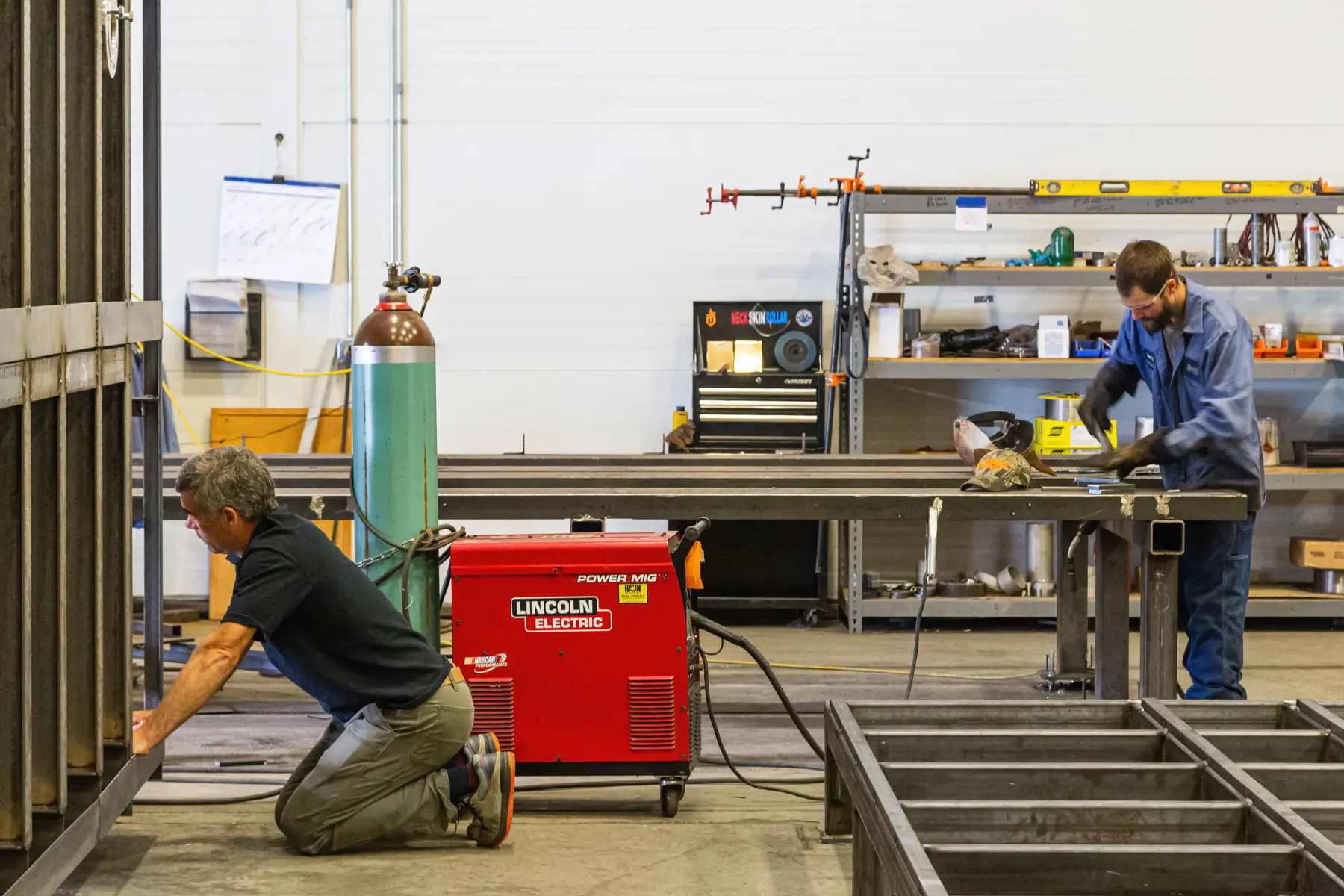
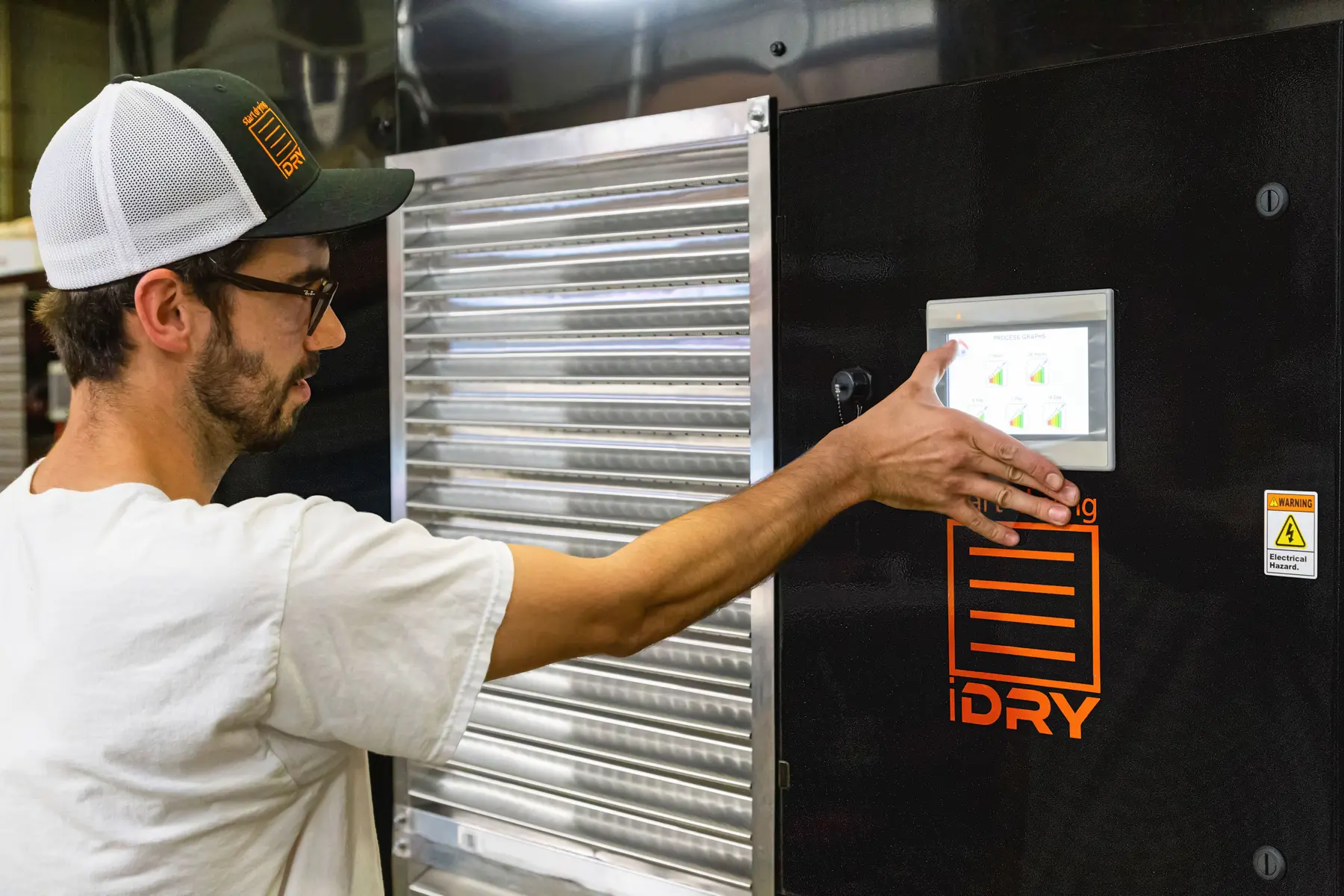
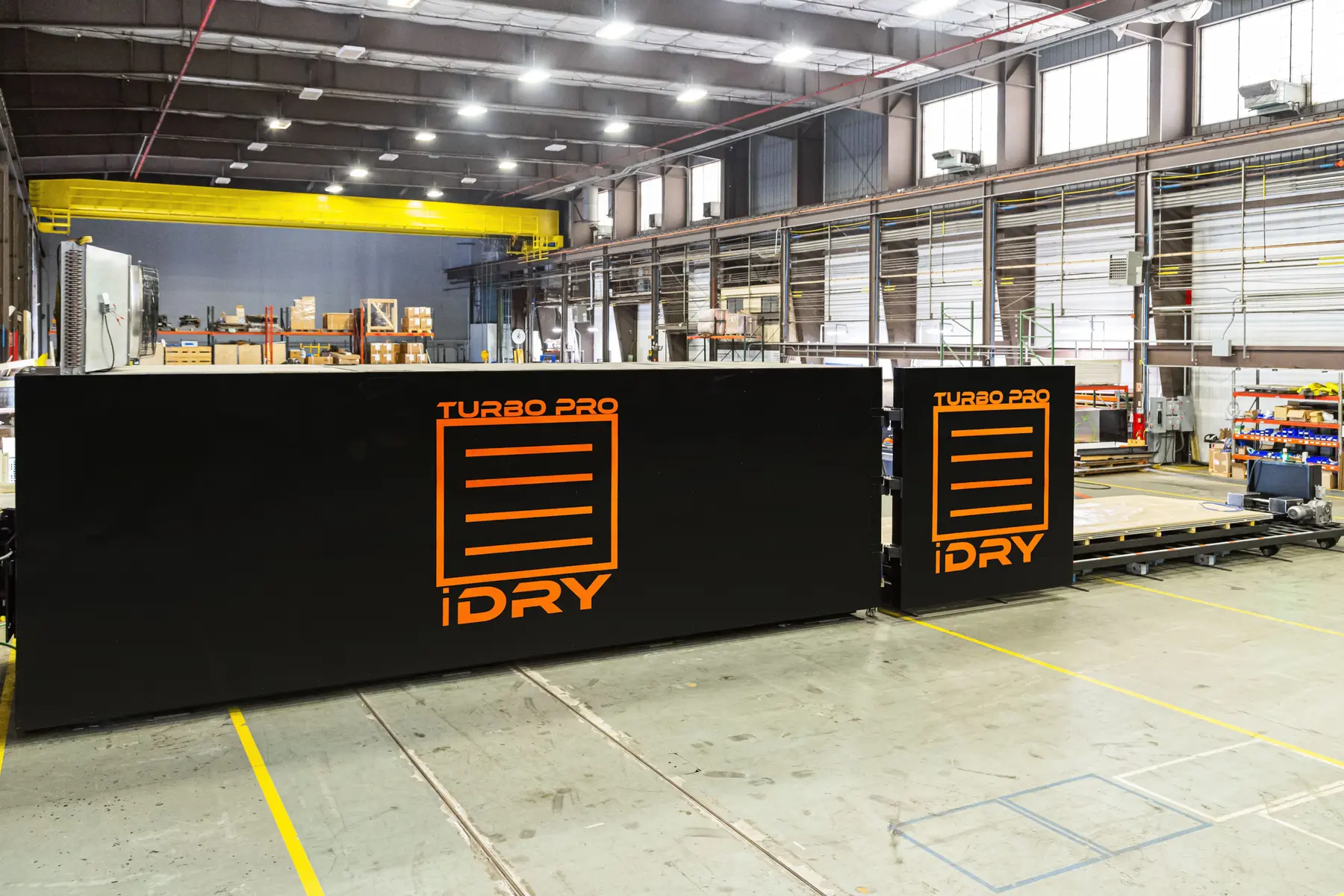
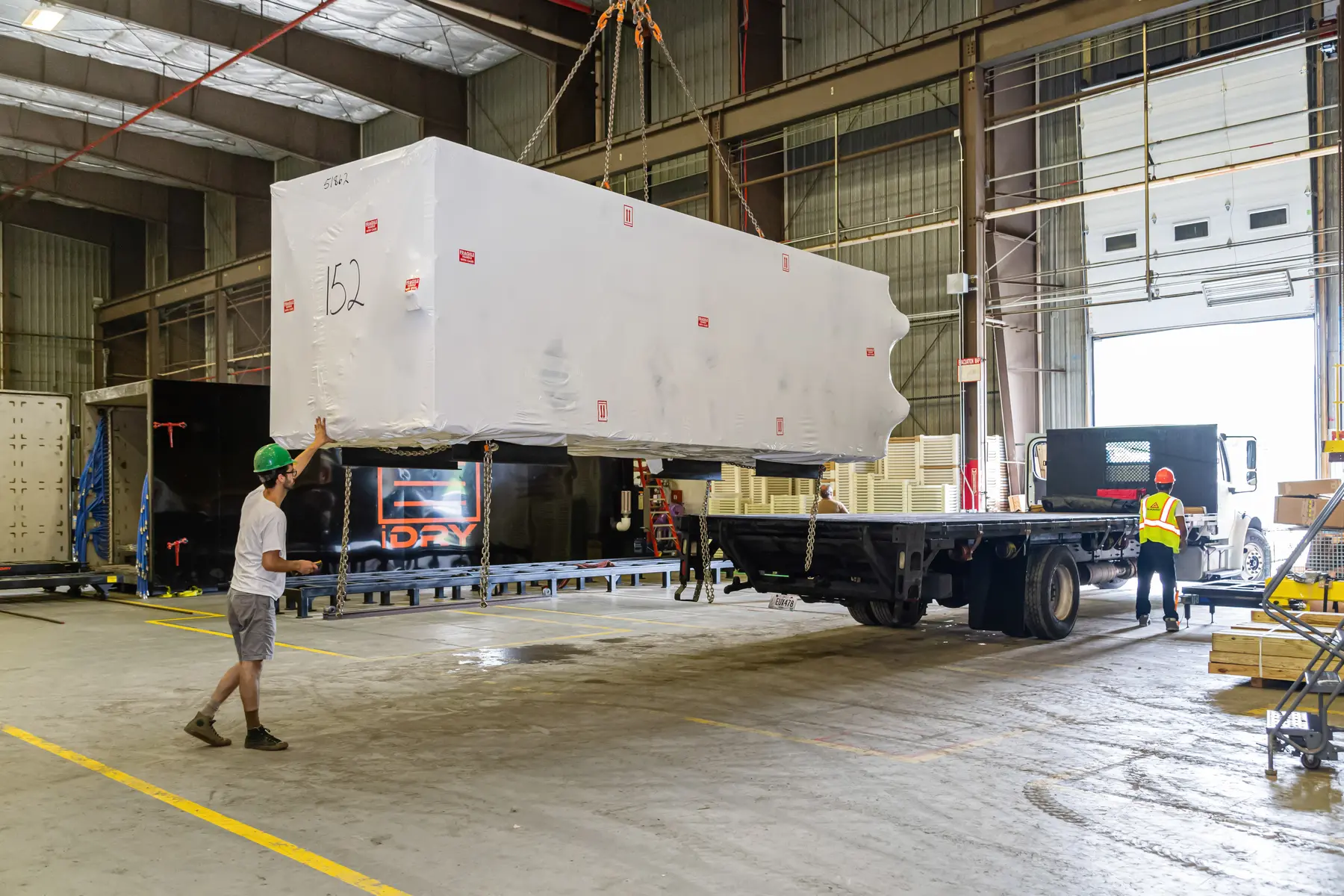
Starting with raw steel and electrical components, our Vermont team fabricates chambers, builds controls, assembles material handling, and tests complete systems under one roof.
Inside the build
From raw steel to a working system.
The same team follows each system through fabrication, controls, assembly, and final integration.
Start with the application
What are you trying to dry?
Tell us about the material, starting condition, target result, temperature range, and production volume. We’ll help define the drying or thermal process.
Discuss your application